Quiz
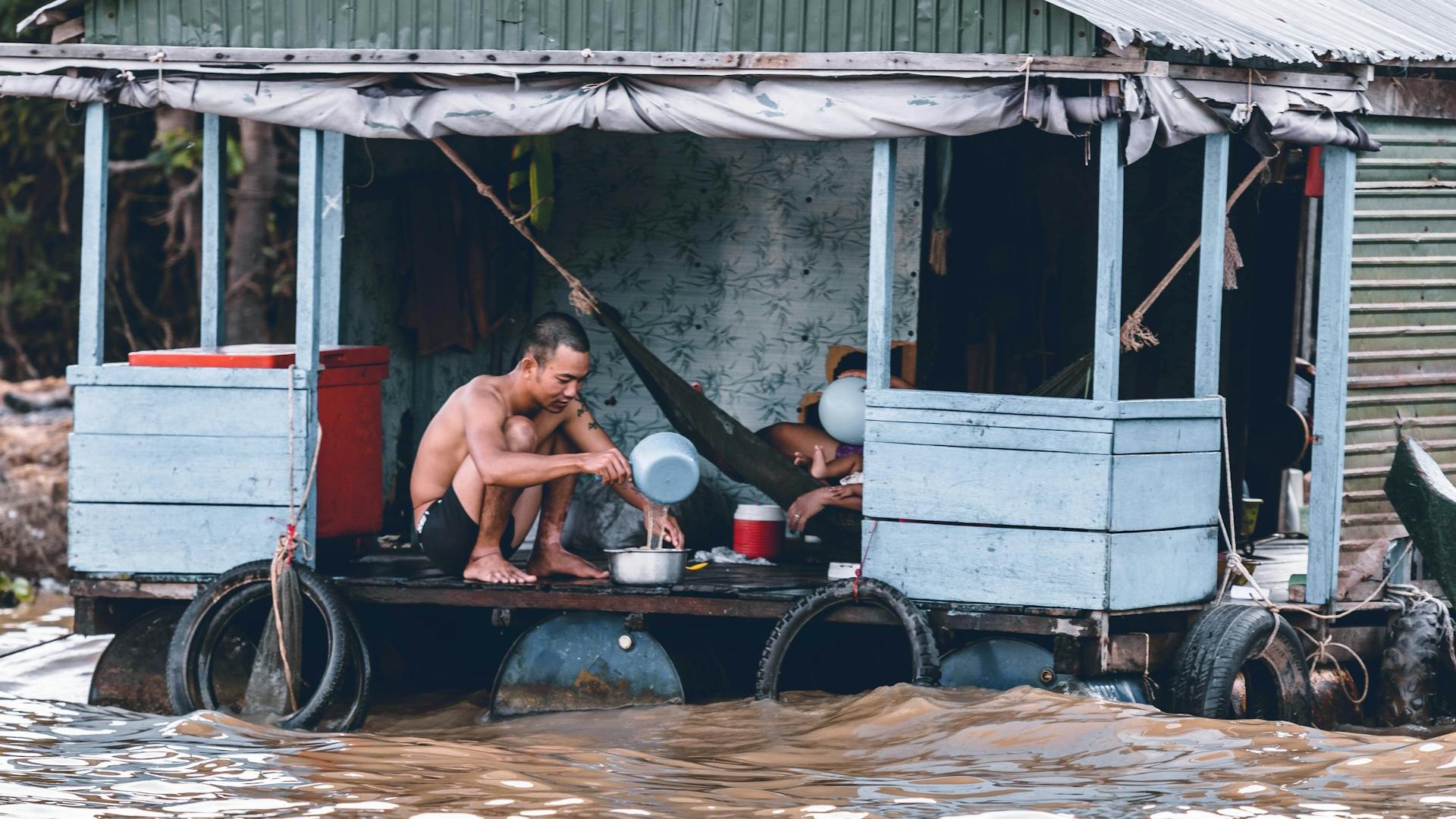
Since 1970,
% of the wildlife population has been lost in Asia
Fill in the blank and click on
submit button.

Quiz
Right answer
Wrong answer
Since 1970, 55% of the wildlife population has been lost in Asia.
Quiz
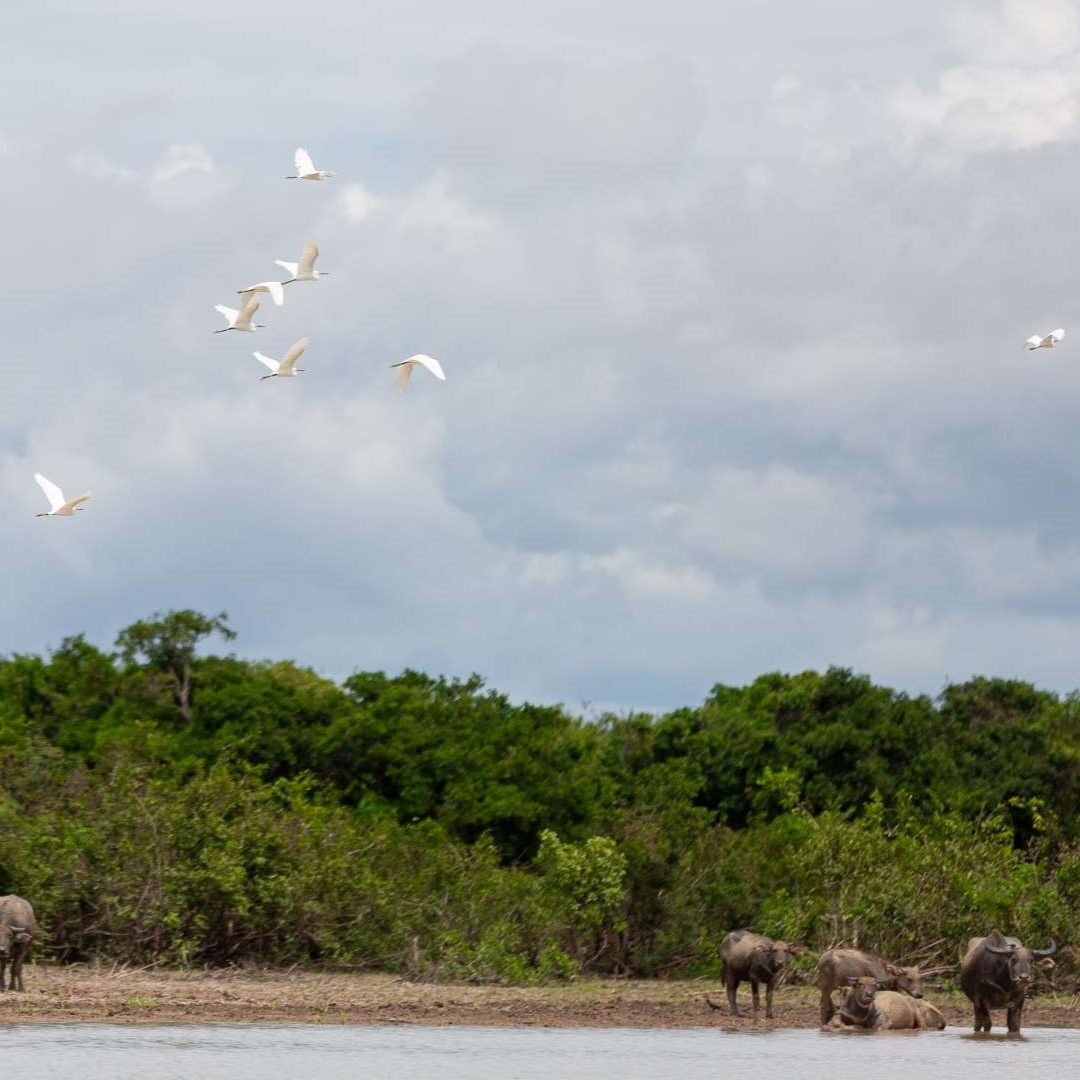
By the end of the century, up to
percent of species are at risk of extinction in Southeast Asia.
Drag the slider to choose the answer
Quiz
Right answer
Wrong answer
By the end of the century, up to 42% percent of species are at risk of extinction in
Southeast Asia.
Quiz
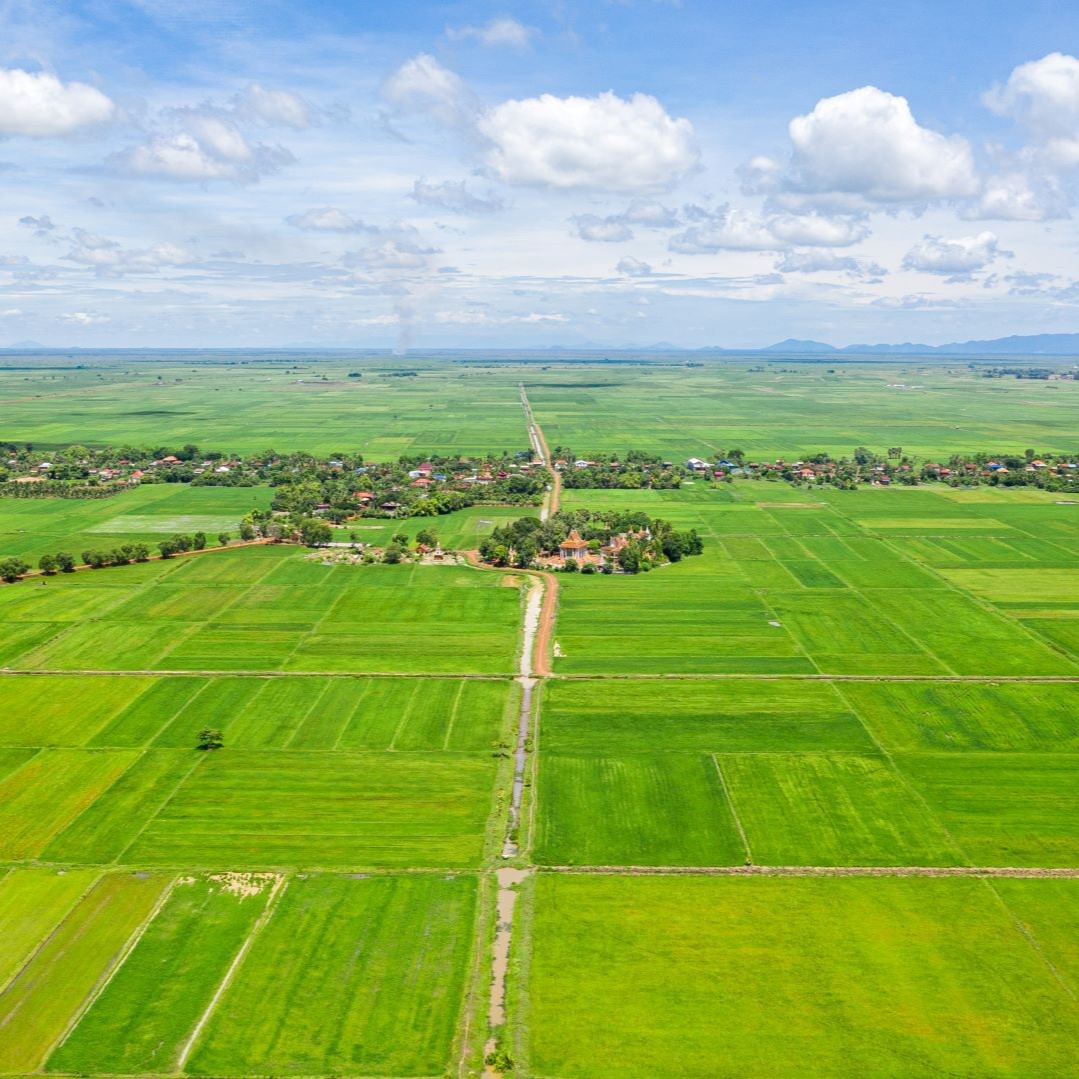
"Hotspots" are ecologically rich but threatened areas. Of 36 global biodiversity
hotspots,___ are found in Asia.
Click on the button select an answer.
Quiz
Right answer
Wrong answer
Hotspots" are ecologically rich but threatened areas. Of 36 global biodiversity
hotspots,17 are found in Asia.
Quiz
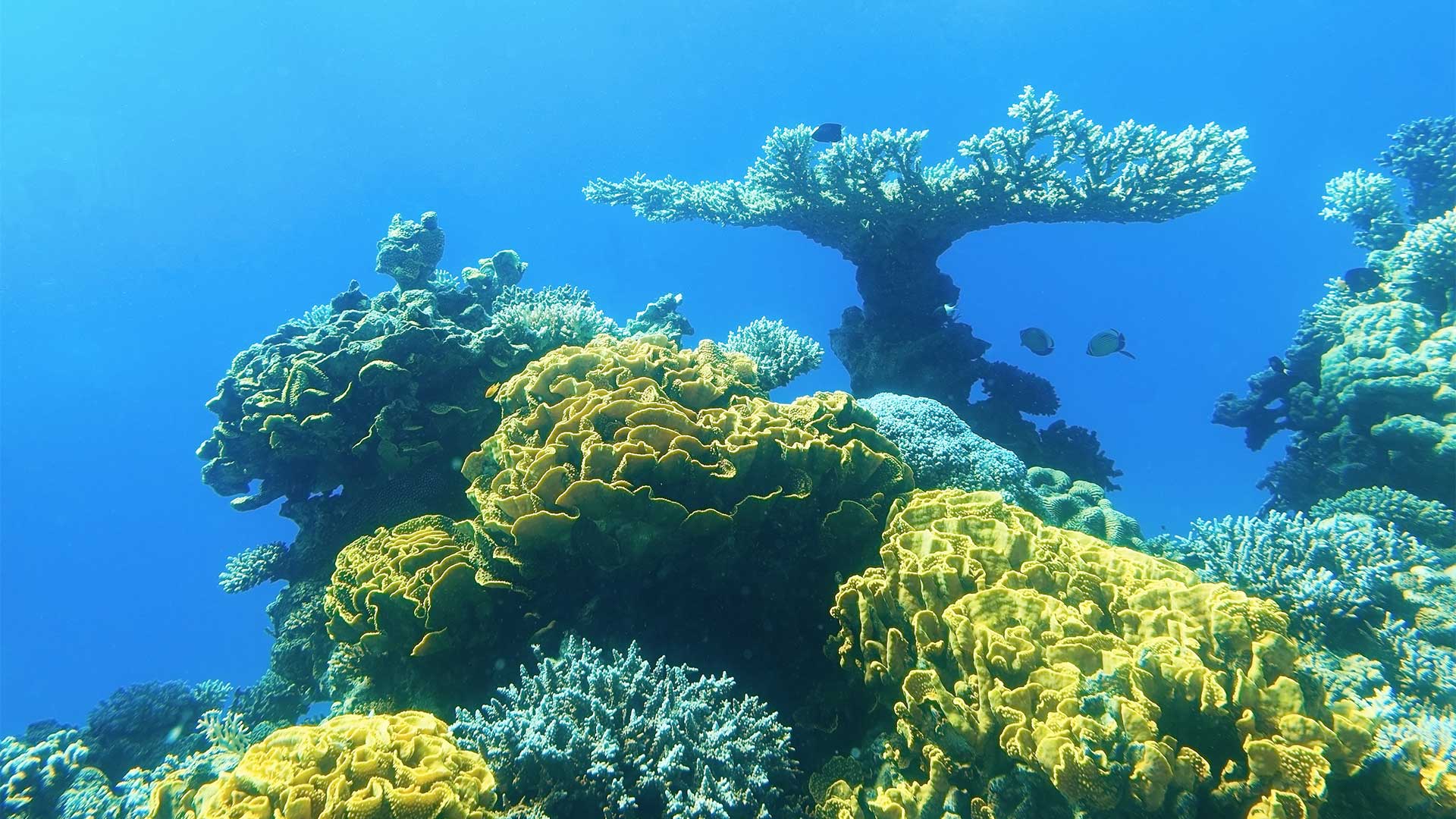
Globally
% of coral reefs have been lost since 1950.
Click on the button select an answer.
Quiz
Right answer
Wrong answer
Globally 50% of coral reefs have been lost since 1950.
Quiz
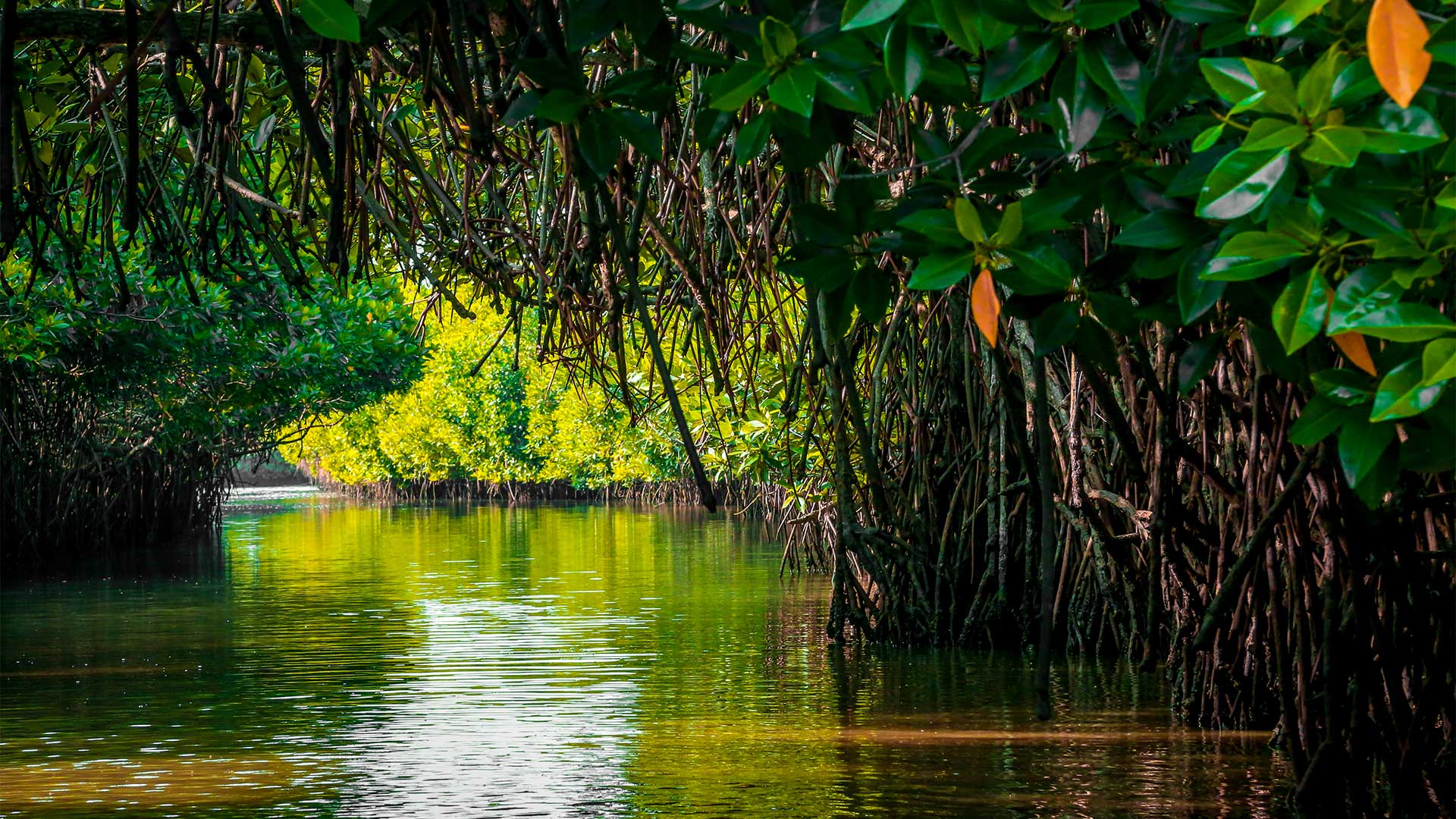
Myanmar lost a staggering per cent of its mangrove extent in the last two decades.
Click on the button select an answer.
Quiz
Right answer
Wrong answer
Over 60 per cent of Myanmar’s mangroves deforested in the last 20 years, 2020